
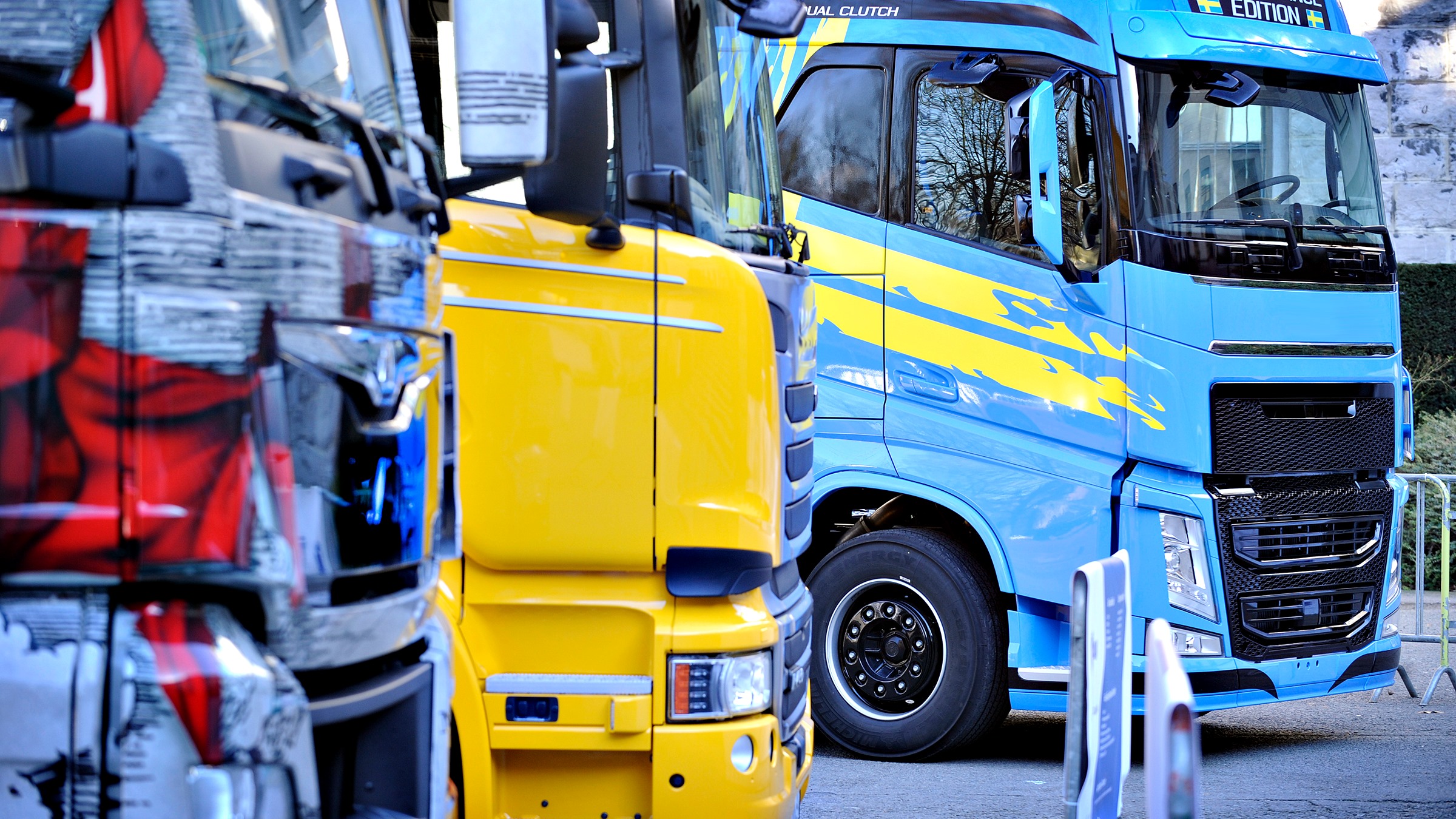
Depreciation is a significant financial consideration for any business that operates a fleet of vehicles, and transport companies are no exception. The value of fleet vehicles decreases over time due to various factors, including wear and tear, technological advancements, and market fluctuations. Understanding the depreciation of fleet vehicles is essential for transport companies to make informed decisions regarding vehicle acquisition, maintenance, and disposal. Let’s delve into the factors influencing fleet vehicle depreciation and its implications for transport companies.
Initial Vehicle Cost:
The depreciation of fleet vehicles typically begins as soon as they are purchased. The initial cost of acquiring vehicles sets the baseline value from which depreciation is calculated. Factors such as vehicle type, brand reputation, and features can affect the initial purchase price and subsequent depreciation rates.
Usage and Mileage:
The primary determinant of vehicle depreciation is usage and mileage. Transport companies often operate their vehicles extensively, leading to higher mileage and accelerated wear and tear. Vehicles with high mileage generally experience greater depreciation compared to those with lower mileage. As vehicles accumulate miles, their market value decreases due to increased maintenance requirements and decreased perceived reliability.
Maintenance and Condition:
Proper maintenance and upkeep can help mitigate depreciation by preserving the condition of fleet vehicles. Regular servicing, repairs, and preventive maintenance measures are essential for extending the lifespan of vehicles and maintaining their resale value. Neglecting maintenance can accelerate depreciation by leading to mechanical issues, cosmetic damage, and premature wear.
Market Trends and Resale Value:
Market dynamics play a significant role in determining the depreciation of fleet vehicles. Economic conditions, consumer preferences, and technological advancements can influence the demand for specific vehicle models and their resale value. Fluctuations in fuel prices, regulatory changes, and emerging trends in the transportation industry can also impact vehicle depreciation rates.
Technological Obsolescence:
Rapid advancements in vehicle technology can render older models obsolete, leading to accelerated depreciation. Transport companies must consider the pace of technological innovation when acquiring new vehicles to avoid investing in outdated technology. Vehicles equipped with outdated features or lacking modern amenities may experience faster depreciation as newer models enter the market.
Residual Value and Depreciation Models:
Transport companies often use depreciation models to estimate the future value of fleet vehicles and plan for replacement cycles. Residual value, or the estimated worth of a vehicle at the end of its useful life, is a key parameter in depreciation calculations. Depreciation models consider factors such as age, mileage, condition, and market trends to predict the rate of depreciation over time.
Tax Implications and Financial Planning:
Understanding fleet vehicle depreciation is crucial for tax planning and financial reporting purposes. Depreciation expenses can be deducted from taxable income, reducing the tax burden for transport companies. Proper depreciation tracking and documentation are necessary to comply with accounting standards and tax regulations.
Replacement Strategies and Lifecycle Management:
Transport companies must develop comprehensive replacement strategies and lifecycle management plans to minimize the financial impact of vehicle depreciation. By accurately forecasting depreciation rates and evaluating the total cost of ownership, companies can determine the optimal timing for replacing fleet vehicles. Implementing efficient maintenance practices, investing in technology upgrades, and diversifying the vehicle fleet can help mitigate depreciation-related risks.
In conclusion, fleet vehicle depreciation is a complex phenomenon influenced by various factors, including usage, maintenance, market trends, and technological advancements. Transport companies must carefully manage depreciation to optimize their fleet operations, minimize costs, and maximize profitability. By understanding the drivers of depreciation and implementing proactive management strategies, companies can navigate the challenges of vehicle ownership and maintain a competitive edge in the transport industry.
