
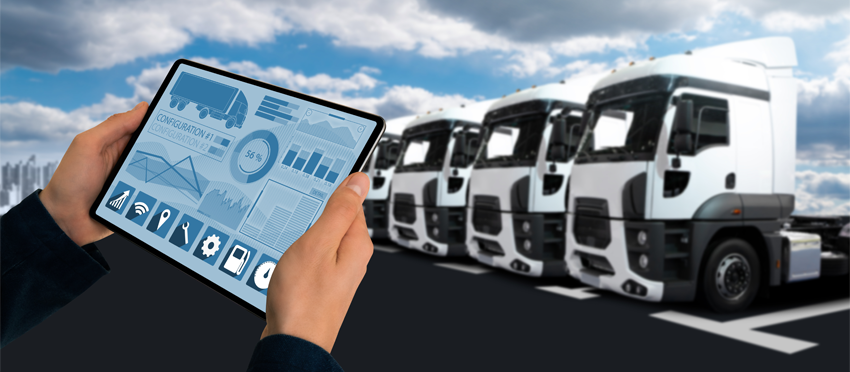
In the dynamic realm of transportation, efficient fleet management stands as a cornerstone for ensuring the smooth flow of goods and services across vast distances. Whether it’s delivering packages to doorsteps or transporting raw materials to factories, the effectiveness of fleet management plays a pivotal role in meeting customer demands, reducing costs, and maximizing overall productivity. Let’s explore the key components and strategies that contribute to efficient fleet management in the transport industry.
Vehicle Utilization and Optimization:
Efficient fleet management begins with maximizing the utilization of available vehicles. This involves ensuring that each vehicle is assigned tasks effectively, minimizing idle time, and optimizing routes to reduce unnecessary mileage. By leveraging advanced routing software and telematics systems, fleet managers can identify the most efficient routes, avoiding traffic congestion and reducing fuel consumption.
Regular maintenance schedules and proactive monitoring of vehicle health are essential to prevent breakdowns and ensure fleet reliability. Predictive maintenance technologies can help anticipate potential issues before they escalate, minimizing downtime and maximizing vehicle uptime.
Driver Performance and Safety:
Drivers are the backbone of any fleet operation, and their performance directly impacts efficiency and safety. Fleet managers must prioritize driver training and coaching to promote safe driving practices and reduce the risk of accidents. Implementing driver monitoring systems can provide real-time feedback on driving behavior, allowing managers to address issues such as speeding, harsh braking, and aggressive maneuvers.
In addition to safety, optimizing driver routes and schedules can enhance productivity and reduce unnecessary travel time. By considering factors such as traffic patterns, delivery windows, and driver availability, fleet managers can ensure that drivers are operating at maximum efficiency while maintaining compliance with regulatory requirements.
Technology Integration and Data Analytics:
Embracing technology is crucial for modern fleet management. Integrating telematics systems, GPS tracking, and onboard sensors allows fleet managers to monitor vehicle performance, track location in real-time, and gather valuable data for analysis. Advanced analytics tools can process this data to identify trends, spot inefficiencies, and make data-driven decisions to optimize fleet operations.
Predictive analytics can forecast demand, anticipate maintenance needs, and optimize routing, enabling proactive decision-making and resource allocation. By harnessing the power of big data, fleet managers can gain valuable insights into operational performance, identify areas for improvement, and drive continuous optimization.
Inventory Management and Asset Tracking:
Effective inventory management is essential for ensuring that goods are delivered on time and in full. Fleet managers must maintain accurate inventory records, monitor stock levels, and coordinate delivery schedules to meet customer demands efficiently. Implementing inventory tracking systems and integrating them with fleet management software can streamline the process, reduce errors, and improve order fulfillment rates.
Asset tracking technologies, such as RFID tags and barcode scanners, enable real-time visibility into the location and status of assets throughout the supply chain. By tracking assets from the warehouse to the final destination, fleet managers can minimize loss, theft, and unauthorized use, ensuring accountability and optimizing asset utilization.
Sustainability and Environmental Impact:
In today’s environmentally conscious world, sustainable fleet management practices are essential for reducing carbon emissions and minimizing environmental impact. Transitioning to alternative fuel vehicles, such as electric or hybrid trucks, can significantly reduce greenhouse gas emissions and dependence on fossil fuels.
Implementing eco-driving initiatives, such as speed management and idle reduction programs, can further improve fuel efficiency and reduce emissions. By adopting fuel-efficient technologies and promoting eco-friendly driving habits, fleet managers can achieve their sustainability goals while cutting operational costs and enhancing brand reputation.
In conclusion, efficient fleet management is critical for ensuring the success and sustainability of transport operations in an increasingly competitive marketplace. By optimizing vehicle utilization, prioritizing driver safety, embracing technology, and implementing sustainable practices, fleet managers can drive operational excellence, reduce costs, and deliver superior service to customers. By continuously monitoring performance, analyzing data, and adapting to changing market conditions, fleet managers can stay ahead of the curve and position their organizations for long-term success in the transport industry.
